A Smarter Kitchen Journey Toward Less Waste

Today we dive into cutting food waste by mapping the home meal system, turning shopping lists, storage habits, cooking routines, and leftovers into a clear picture. With simple visuals and small experiments, we’ll spot hidden losses, build flexible plans, and turn scraps into value. Expect practical steps, light data tricks, and friendly stories that show how tiny changes compound into meaningful savings, fresher meals, and a calmer, more confident relationship with what we buy, cook, and eat.

Seeing the Invisible Flows at Home

When you sketch how ingredients move—from store to counter, to fridge, to stove, to table, and finally to bins—you expose friction points and quiet heroes. Mapping reveals double-buy moments, forgotten drawers, and timing mismatches between appetite and availability. This perspective invites cooperation across household roles, aligning intentions with routines. With a pen, sticky notes, or a phone snapshot, you can build a living picture that guides decisions, prioritizes rescuable items, and prevents tomorrow’s regret before it begins.

Planning That Respects Real Life

Rigid meal plans collapse when meetings run late, guests appear, or cravings shift. Gentle structures win: anchor meals provide stability, flexible sides invite improvisation, and leftover-first thinking reduces pressure. Map recurring weekly constraints—soccer practice, commute times, market days—then back into realistic prep windows. This approach reduces anxiety, protects quality, and transforms planning into a supportive guide rather than a strict schedule that punishes spontaneity and exhausts creativity.

Inventory, Storage, and Edibility Clarity

Confusion around what’s safe, what’s tasty, and what’s actually present fuels unnecessary discards. Create visibility with dated labels, a three-zone fridge, and a freezer index. Clarify date meanings—sell by, best before, use by—and learn sensory checks. When storage and knowledge align, confidence replaces guesswork, and food moves predictably from cold shelf to cooking plan without panic, waste, or uneasy debates that end with perfectly good meals thrown away.
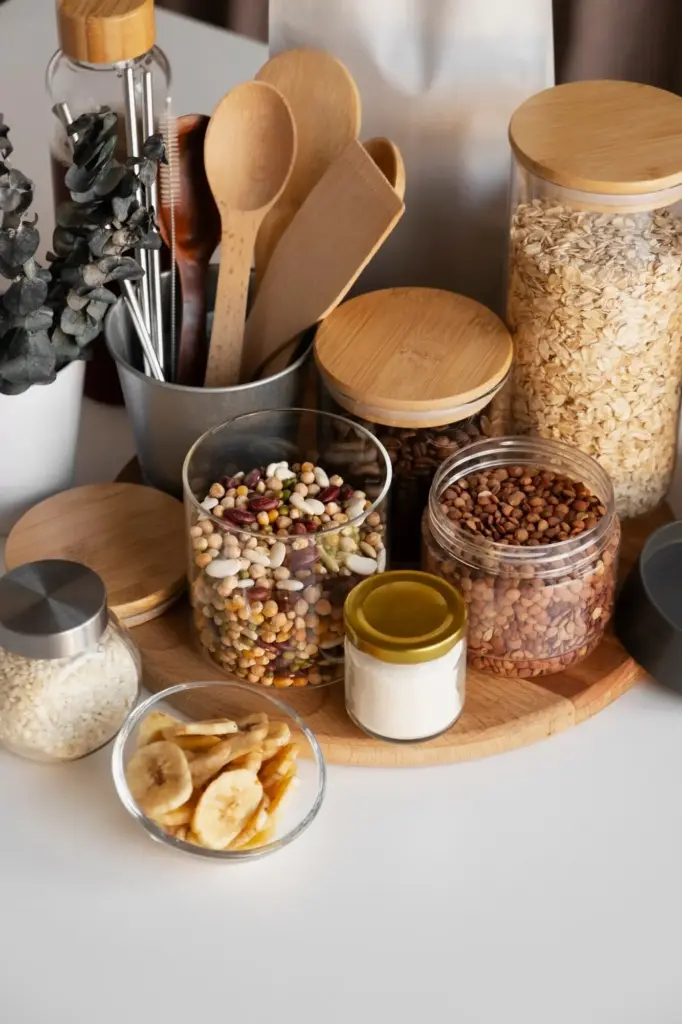
Organize by urgency: eat-now zone in front, cook-soon zone at eye level, and staples zone below. Bright labels and containers with clear lids reinforce intent. At every restock, rotate older items forward, logging priority ingredients so upcoming meals naturally absorb them before quality slips.
Most printed dates guide quality, not safety, yet uncertainty leads to premature discard. Learn the difference and trust your senses—smell, texture, sight—supported by safe-temperature habits. Educate the household with a simple chart near the fridge to standardize decisions, reduce arguments, and prevent knee-jerk tossing.
Freeze in flat portions with labels including date and reheat suggestions. Maintain an index on the door so hidden treasures do not fossilize. Schedule regular thaw-and-use nights, pairing frozen components with fresh toppings to restore brightness, minimize fatigue, and keep the system flowing smoothly.

Two-Minute Waste Journal

After dinner, jot what was tossed, why it happened, and one idea to prevent repeat. Patterns emerge: overbuying greens, underseasoned leftovers, or forgotten snacks. Keep the tone curious, not guilty, so the journal encourages learning, invites family input, and sustains momentum across hectic weeks.

Photo Boards and Color Codes

Snap the fridge each Sunday, then mark green for safe, yellow for urgent, red for discard. The visual diary lowers cognitive load and sparks conversations about priorities. Over time, colors shift toward green, proving that awareness and coordination outperform strict rules or ambitious grocery lists.

Culinary Creativity that Saves

Universal Bases and Modular Sauces

Master a few foundations—garlic oil, tomato base, tahini dressing, yogurt-herb sauce—that pair with many proteins and vegetables. When ingredients shift, the base remains steady. This approach rescues odds and ends, accelerates dinner, and keeps the table exciting without demanding complicated recipes or specialized shopping.

Second-Day Transformations

Turn roast vegetables into wraps with lemony slaw, rice into crisp cakes, and chicken into brothy noodles. Elevate leftovers with fresh herbs, quick pickles, and texture play. The result tastes new, wastes nothing, and proves yesterday’s work is the foundation for tonight’s delight.

Scrap Cuisine and Stocks

Freeze clean trimmings—herb stems, corn cobs, mushroom ends, parmesan rinds—in a labeled bag. Simmer into bright stocks or infuse oils for quick weeknight magic. You will lower waste, raise depth of flavor, and create a playful ritual that rewards consistency and curiosity.

Community, Habit Loops, and Last Resort Paths

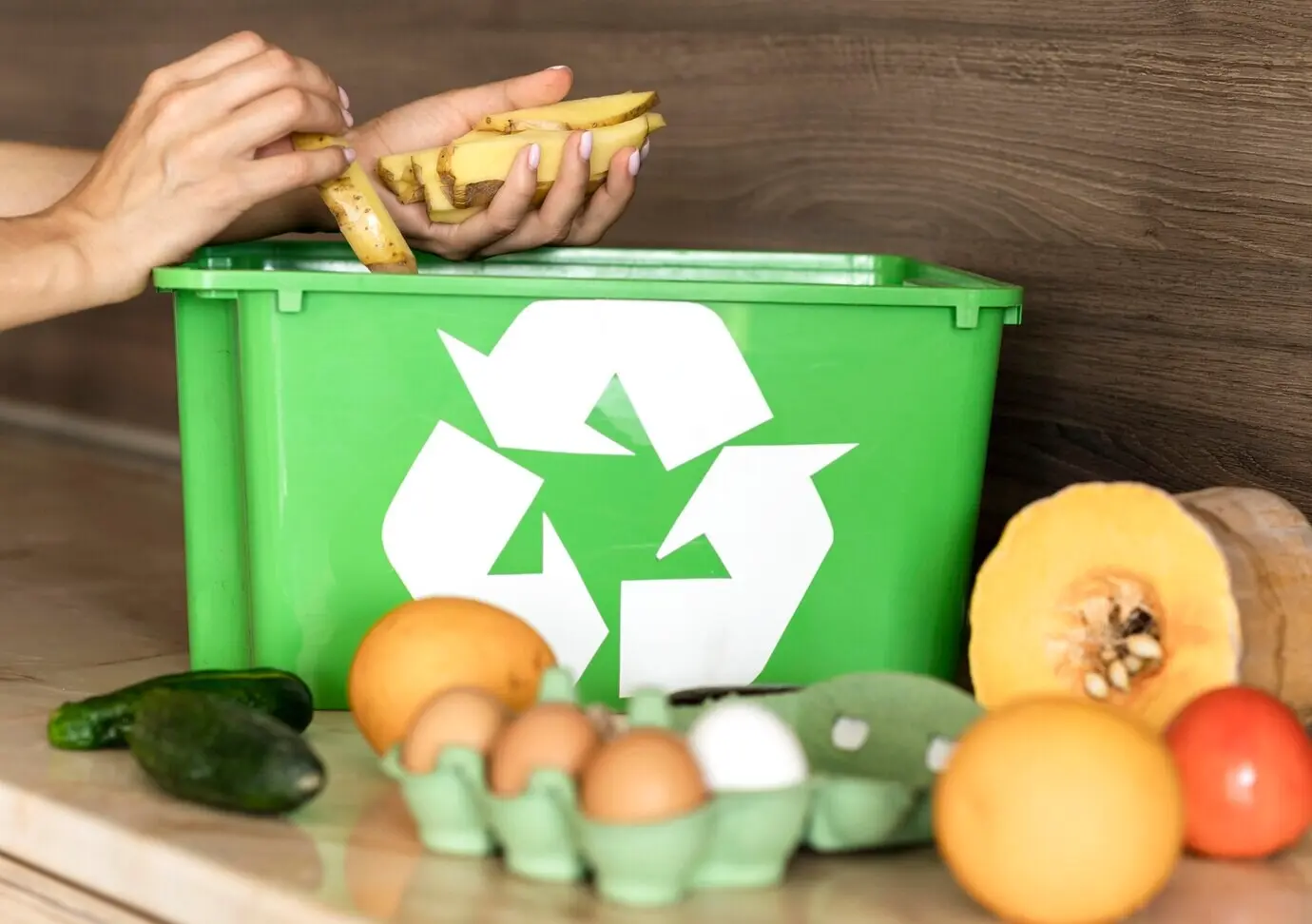
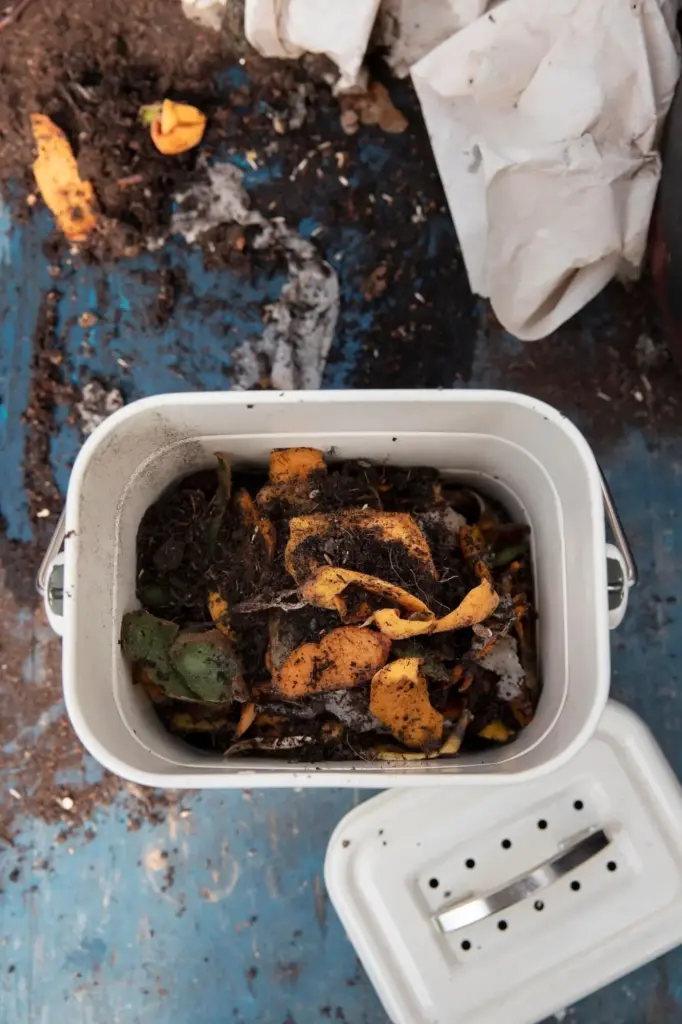
Kitchens thrive within communities. Share surplus with neighbors, swap recipes, and learn from local producers. Establish last-resort options—donation, composting, or pet-safe reuse—so imperfect outcomes do not become losses. Habit loops, friendly challenges, and visible progress markers sustain motivation. Invite conversation, subscribe for monthly experiments, and tell us which mapping ideas saved your week, inspired your meals, or sparked laughter around the sink.
Potumorilinaletaxuzoku
Privacy Overview

This website uses cookies so that we can provide you with the best user experience possible. Cookie information is stored in your browser and performs functions such as recognising you when you return to our website and helping our team to understand which sections of the website you find most interesting and useful.